The Best Chicken Brooders for Baby Chicks
A brooder is any warm, draft-free, escape-proof box that holds chicks for their first five or six weeks. The ones here differ in how easy they are to clean, how many chicks they hold and how they take a heat source.
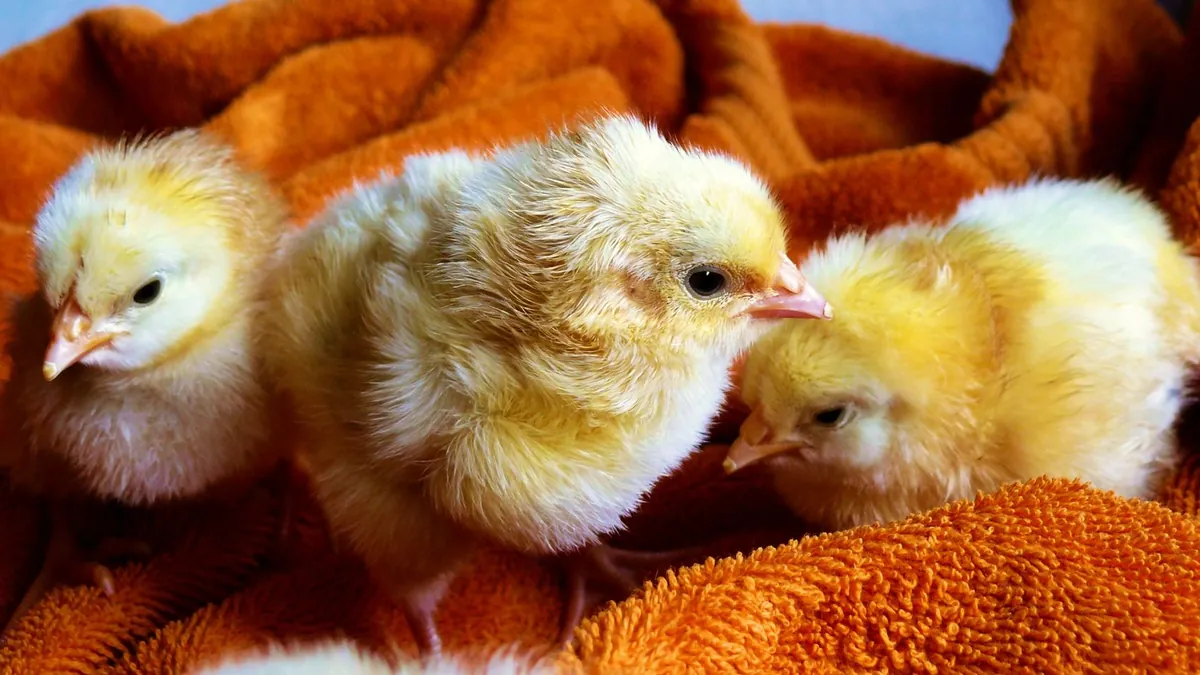
What a brooder has to do
Chicks arrive with no feathers to hold heat and no sense of where the edges of the world are. For their first weeks they need four things, and every brooder on this page is judged on them:
- Heat where they can choose it. Penn State Extension says to supply 95°F at chick level under the heat source for the first week, then drop it about 5°F each week. The brooder needs room for chicks to move toward the heat and away from it. Chicks huddled tight under the heat are cold; chicks pressed against the far walls are too hot (Utah State Extension uses the same behavior test).
- Floor space that grows with them. Penn State's table starts at a quarter of a square foot per chick in week one and reaches one square foot per chick by weeks five to eight. Ten chicks need about 2.5 square feet to start and about 10 square feet by the time they feather out. Our coop size calculator covers the next step, the coop itself.
- Footing and dry litter. Penn State warns against brooding on slippery surfaces such as bare newspaper, which can cause permanent leg damage, and suggests 2 to 3 inches of clean, dry litter with paper towels on top for the first few days. See our bedding guide for what to use.
- Walls high enough, and a lid. By week three chicks fly. A brooder that was fine on day one leaks chicks by day 20 unless it has a lid or 16-inch or taller walls with a cover you can add.
The best chicken brooders

Best overall
RentACoop Big Red Barn Chick Brooder
The Big Red Barn is a folding plastic brooder with clear doors on the front, a lid that flips up and a latch to keep it shut. RentACoop says it raises 10 or more chicks for their first six weeks, and it ships with fitted liners for two stages: absorbent hatchling liners for weeks 0 to 3 and a jute liner for week 3 on, which gives chicks grip without loose shavings in the first days.
Because it is non-absorbent plastic, cleanup is a wipe rather than a scrub, and it folds flat between batches. The clear doors matter more than they sound: chicks that can see you coming settle faster, and you can check the huddle without lifting the lid and dumping the warm air.
It does not include heat. Plan on a 10 x 10 or 12 x 12 inch heat plate from our heat plate guide; RentACoop's own 12 x 12 plate fits inside.
Why it made the list
- Folds flat and wipes clean
- Clear doors and a secure lid
- Stage liners included, so no loose litter in week one
What to watch
- Heat source sold separately
- Ten chicks fill it by week four; split larger batches
Easiest to clean
Premier 1 QuikClean Chick Brooder
Premier 1's QuikClean is the brooder for people who have cleaned a cardboard box one too many times. Chicks stand on a slotted wire floor and droppings fall through to a removable collection tray, so daily cleaning is pull, dump, slide back. The hinged lid keeps flyers in, and the galvanized frame resists rust. Premier 1 says most feeders and waterers 8 inches tall or shorter fit inside and that it broods chicks to 5 or 6 weeks.
It comes with a swiveling heat lamp support that gives 31.5 inches of clearance. You can hang a lamp from it, but a heat plate sits on the wire floor just as well, and we would rather you used one. Assembly is required.
Why it made the list
- Wire floor over a pull-out tray: the cleanest design here
- Hinged lid, chicks cannot escape
- Metal lasts for years of batches
What to watch
- Costs several times what a plastic brooder does
- Wire floors need a solid mat or towel for the first few days so day-old chicks get their footing (Penn State's slippery-surface warning)
Best for big batches
Premier 1 Poultry Brooder Panels (6 pack)
Panels are how farms brood: a ring of walls on the floor of a shed or garage, litter inside, heat in the middle. Premier 1's set of six double-walled plastic panels interlocks into a 37-inch circle, and more panels widen it as the chicks grow, which is exactly what Penn State's space table asks for. Round brooders also have no corners for chicks to pile into and smother.
At 16 inches tall the ring holds chicks for the first two or three weeks; after that add a cover of hardware cloth or move them to a taller pen. The panels wash with soap and water and store flat for next year. You supply the floor, the litter and the heat.
Why it made the list
- Grows by adding panels
- No corners, which is safer for day-olds
- Reusable and easy to store
What to watch
- Needs a floor, litter and a cover of your own
- 16 in walls are short once chicks fly
Best all-in-one kit
Magicfly Brooder Box Starter Kit with Heating Plate
If you want one box that has everything, the Magicfly kit is a pop-up fabric pen with mesh doors and a top cover, a 15 x 11 inch heating plate, a feeder and waterer, a small perch and a pull-out floor pad that rinses off. Magicfly says it holds up to 15 chicks. It folds into its own bag, so it works for the once-a-year hatch that lives in a spare room for six weeks and then goes in a closet.
Fabric pens are the least durable option here: watch the floor pad for scratches and plan to replace the pad if chicks chew it. The included plate is the part that matters; check its height adjustment range on the listing, since plates that only sit low are outgrown by week three.
Why it made the list
- Heat plate, feeder, waterer and pen in one order
- Sets up with no tools and folds flat
What to watch
- Fabric and a pad, not a wipe-clean floor
- Seller is a third-party storefront; check the current listing details
Feeder and waterer
RentACoop Chick2Chicken 5 lb Feeder and 1 Gal Waterer Set
Chicks waste and foul open trays. RentACoop's Chick2Chicken set is a 5 lb feeder with two slider-covered ports and a 1-gallon waterer with two cups and two horizontal nipples, mounted on the brooder wall so the chicks cannot stand in either. RentACoop says it is sized for chicks through adult hens, so it moves to the coop with them.
Penn State's guidance is one quart of water per 25 chicks and drinkers the young can reach but not fall into. Cups and nipples need showing: dip a few beaks on day one and the rest copy. For the first day or two also put feed on a paper plate or egg carton lid on the floor, which Penn State recommends to get chicks eating.
Why it made the list
- Chicks cannot stand in feed or water
- Scales from brooder to coop
What to watch
- Nipples and cups need a day of teaching
- Mounting height has to move up as chicks grow
Side by side
| Brooder | Maker's capacity | Floor and cleaning | Heat |
|---|---|---|---|
| RentACoop Big Red Barn | 10+ chicks to 6 weeks | Plastic, wipes clean; liners included | Add a plate or lamp |
| Premier 1 QuikClean | To 5-6 weeks (size by Penn State's table) | Wire floor over a pull-out tray | Lamp support included; plate works |
| Premier 1 Brooder Panels | 37 in ring; add panels to grow | Your floor and litter | Add a plate or lamp |
| Magicfly kit | Up to 15 chicks | Fabric pen, rinseable pad | 15 x 11 in plate included |
Setting the brooder up
- Pick the room. A garage or spare room out of drafts. Penn State's 95°F is measured at chick level under the heat, not in the room, but a room below 60°F makes a plate work hard.
- Litter. 2 to 3 inches of pine shavings, never fine sawdust for the first weeks (Penn State), with paper towels on top for the first three or four days so chicks learn feed from litter.
- Heat on 24 hours before chicks arrive. Put a thermometer at chick height and confirm 95°F under the plate or lamp and cooler at the far end.
- Water first, then feed. Dip each chick's beak in the water as you set it down. Penn State suggests a shallow lid of feed for the first week alongside the real feeder.
- Watch the huddle, not the thermometer. Spread out and chirping softly is right. Piled under the heat is cold; pressed to the walls is hot.
- Raise the heat each week (about 5°F per Penn State) by lifting the plate or lamp. By 5 or 6 weeks, with feathers in, Utah State says chicks can move to the coop. Our beginner's guide picks up from there.
Hatching your own? Start with the incubator guide and the hatching walkthrough, then have the brooder warm before day 21.
The incubator, candler and heat plate guides are all in our hatching and chicks section.
Frequently Asked Questions
How big does a chicken brooder need to be?
Penn State Extension's table gives a quarter square foot per chick in week one, a half by weeks two to three, three quarters by weeks three to five and one square foot per chick at five to eight weeks. Ten chicks need about 2.5 square feet to start and about 10 square feet before they move out.
How long do chicks stay in the brooder?
Until they are feathered and the brooder temperature has come down to room temperature, usually five to six weeks. Utah State Extension says chicks are usually moved to the coop at about 5 to 6 weeks once they have some plumage.
What temperature should a brooder be?
Penn State Extension says 95°F at chick level under the heat source for the first week, then about 5°F lower each week. The far end of the brooder should be cooler so chicks can choose.
Can I use a plastic storage tote as a brooder?
For a few chicks and the first two weeks, yes, with a hardware cloth lid and 2 to 3 inches of litter. Totes are small, so check Penn State's space table; most are outgrown by week three.
Sources
Ready to buy?
Browse current pricing, current models, and reader reviews on Amazon. Your clicks keep these guides free.
Shop Chick Brooders on Amazon →