How to Hatch Chicken Eggs in an Incubator
Chicken eggs take 21 days. Here is the day-by-day schedule, with the temperature and humidity ranges extension services publish.
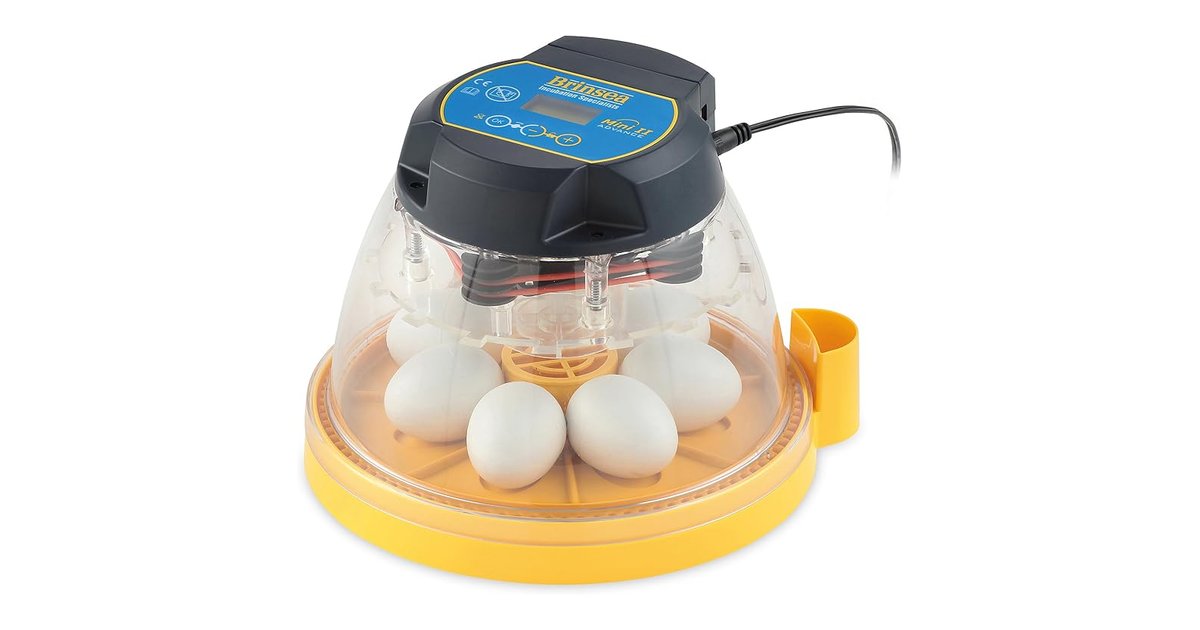
The numbers at a glance
| Days 1–18 | Days 19–21 (lockdown) | |
|---|---|---|
| Temperature, fan (forced-air) incubator | about 99.5–100°F | same |
| Temperature, still-air incubator | about 100.5–102°F | same |
| Humidity | 58–60% RH | 65% RH or more |
| Turning | at least 4–6 times a day (or automatic) | stop turning |
Ranges from Mississippi State, Utah State and University of Illinois Extension. Sources differ slightly; always follow your incubator's manual, and check it with a separate thermometer and hygrometer.
Before you set eggs
- Run the incubator empty for 24 hours and confirm it holds temperature and humidity.
- Use clean, fertile eggs. Mississippi State recommends setting eggs within 7 days of lay, stored at about 55°F and 75% humidity with the small end pointing down. Do not wash them.
- Let eggs warm to room temperature for a few hours before setting so condensation does not form.
Day by day
| Day | What to do |
|---|---|
| Day 1 | Set eggs, pointed end slightly down. Start turning (or switch on the automatic turner). |
| Days 1–7 | Hold temperature and humidity steady. Open the incubator as little as possible. |
| Days 7–10 | First candling: remove clear (infertile) eggs. |
| Days 10–17 | Keep turning; top up water as needed. Optional second candling around day 14. |
| Day 18 | Lockdown: stop turning, remove the turner if your model needs it, raise humidity to 65% or more, close the lid. |
| Days 19–21 | Do not open the incubator. Chicks pip, then zip, usually on day 21. |
| After hatch | Leave chicks in the incubator until dry and fluffy (up to 24 hours), then move them to a warm brooder. |
Candling
Shine a bright light through the egg in a dark room. Around day 7 a fertile egg shows a web of blood vessels and a dark spot; a clear egg is infertile. A ring of blood with no vessels means the embryo died early. Remove both, since they can spoil. Incubators like the Nurture Right 360 and MATICOOPX have built-in candling lights.
Lockdown and hatch
Every source agrees on the key rule: stop turning for the last three days and keep the lid shut. Opening it drops humidity just as chicks are breaking through, which can leave them stuck to the membrane. Resist helping chicks out; most need many hours between first pip and hatch.
After hatch: the brooder
| Week | Temperature at chick level |
|---|---|
| 1 | 90–95°F |
| 2 | 85–90°F |
| 3 | 80–85°F |
| 4 | 75–80°F |
| 5+ | keep dropping about 5°F a week until 65–70°F |
From Penn State, Oklahoma State and Missouri Extension: start at 90–95°F and lower about 5°F per week.
Feed chick starter (18–20% protein) and fresh water in a shallow chick fount. Watch the chicks: huddled under the heat means too cold, spread to the edges and panting means too hot.
Recommended gear
Sources
- Mississippi State University Extension: Incubating Eggs
- Mississippi State University Extension: Important Incubation Factors
- Utah State University Extension: Hatching and Caring for Chicks
- University of Illinois Extension: Operating a Still-Air Incubator
- Penn State Extension: Brooding of Domestic Fowl
- Oklahoma State University Extension: Backyard Flock Production
- University of Missouri Extension: G8351, Raising Poultry
Ready to buy?
Browse current pricing, current models, and reader reviews on Amazon — your clicks keep these guides free.
Shop Egg Incubators on Amazon →