Raising Chickens for Beginners
Everything you need before the first hens come home, in the order you need it, with the space and feed numbers from university extension services.
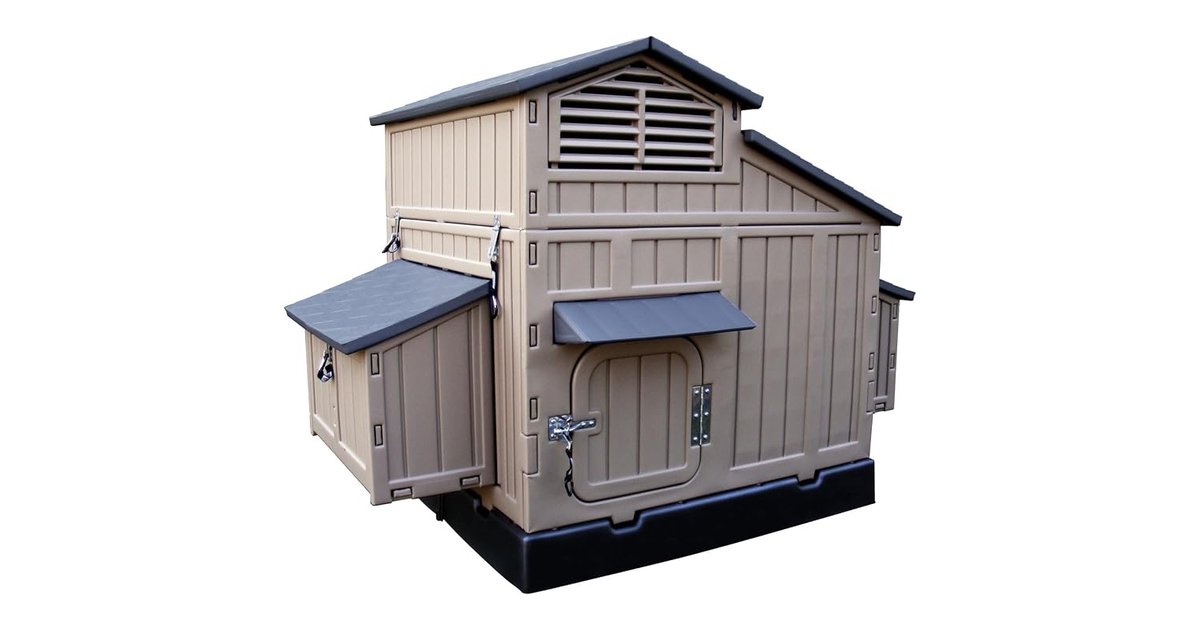
Before you buy anything
- Check local rules. Many towns limit flock size, ban roosters or set coop distances from property lines. Check your city or county code and any HOA rules first.
- Decide how many hens. A laying hen in her prime lays most days in spring and summer and slows in winter. Three or four hens keep a family in eggs most of the year.
- Chicks or pullets? Chicks need a brooder and about 18–20 weeks before they lay (layer feed starts at 18–20 weeks or the first egg, per Oregon State Extension). Started pullets cost more but lay sooner.
The beginner gear list
| Item | Why | Our guide |
|---|---|---|
| Coop | Shelter, roosts and nest boxes | Best chicken coops |
| Run | Safe outdoor space, covered against hawks | Best chicken runs |
| Feeder | Treadle or covered feeders cut waste and rats | Best chicken feeders |
| Waterer | Clean water every day; heated in winter | Best chicken waterers |
| Layer feed + oyster shell | Complete diet plus calcium for shells | Best chicken feed |
| Nesting boxes | One per 4–5 hens | Best nesting boxes |
| Hardware cloth | Predator-proofing the run and vents | Predator-proofing guide |
| Automatic door (optional) | Closes the coop at dusk every night | Best coop doors |
| Bedding | Pine shavings or straw for the floor and nests | — |
How much space
Plan on 3–4 square feet of coop floor per standard hen (Penn State lists 2 as its figure; NC State recommends 2.5–3.5; the Poultry Extension network 3–4) and 8–10 square feet of run per hen. Add 6–10 inches of roost per bird and one nest box per four or five hens. Our coop size calculator does the math for you.
Feed and water
- Layer feed with about 16–18% protein from about 18–20 weeks, plus oyster shell in a separate dish.
- Chick starter at 18–20% protein for young chicks; never layer feed for growing birds (Penn State warns its calcium can damage their kidneys).
- Treats and scratch at no more than about 10–15% of the diet.
- Fresh water every day; a laying hen eats about a third of a pound of feed a day (NC State) and drinks two to three times as much by weight (Oregon State).
Daily and weekly chores
| When | Chore |
|---|---|
| Every morning | Let hens out (or let the automatic door do it), check feed and water, quick headcount |
| Every afternoon | Collect eggs |
| Every evening | Headcount, close the coop, bring in or close feeders if rodents are around |
| Weekly | Scrub waterers, top up bedding, check for mites and damage to wire |
| Monthly or as needed | Full bedding change, check latches and hardware cloth |
Keeping birds and people healthy
Backyard poultry can carry Salmonella even when they look healthy. The CDC's advice: wash your hands with soap and running water after touching birds or anything in their area, do not kiss or snuggle birds and then touch your face, keep birds out of the house, and do not let children under 5 handle chicks.
Common beginner mistakes
- Trusting the box's hen count. Coop listings routinely overstate capacity. Use extension space numbers.
- Using chicken wire as security. It keeps hens in, not raccoons out. Use hardware cloth and real latches.
- Sealing the coop tight for winter. Extension services stress ventilation: moisture and ammonia need to escape. Minnesota Extension says high moisture plus cold is the main cause of frostbite.
- Underestimating summer heat. Penn State says heat stress starts above 80°F. In most of the South, shade, cool water and airflow matter more than winter heating.
- Leaving feed out overnight. It is the fastest way to start a rat problem.
Sources
- Penn State Extension: Small Scale Poultry Housing
- NC State Extension: Keeping Garden Chickens in North Carolina
- Poultry Extension (extension.org): Space Allowances for Small and Backyard Flocks
- Oregon State University Extension: PNW 477, Raising Chickens
- Penn State Extension: Management Requirements for Laying Flocks
- Penn State Extension: Brooding of Domestic Fowl
- University of Minnesota Extension: Caring for Chickens in Cold Weather
- Penn State Extension: Hot Weather Management of Poultry
- Utah State University Extension: Rodents and Chickens
- CDC: Backyard Poultry
Ready to buy?
Browse current pricing, current models, and reader reviews on Amazon — your clicks keep these guides free.
Shop Chicken Supplies on Amazon →