The Best Chicken Coop Bedding: Pine, Hemp, Straw or Sand?
Bedding does three jobs: it soaks up moisture, it keeps the floor and nest boxes clean, and in winter it insulates. Pine shavings do all three cheaply; hemp does them for longer. Here is how each material compares, and what to keep out of the coop.
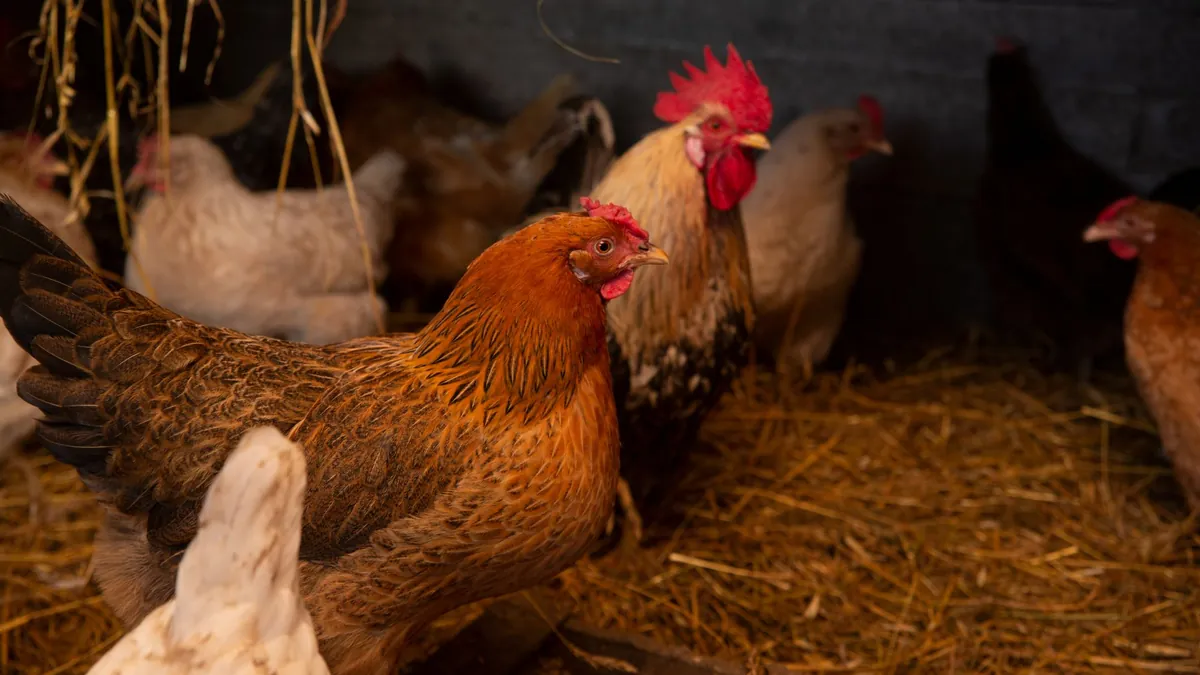
The materials, compared
| Bedding | Absorbs | Dust | Cost per change | Composts | Notes |
|---|---|---|---|---|---|
| Pine shavings | Good | Low if screened | Low | Yes | The Extension default. Penn State calls pine shavings the best litter; UGA and Purdue list them first. |
| Hemp hurd | Very high (makers claim up to 4x its weight) | Low | Higher per bag, changed less often | Yes | Dense, heavy and slow to break down. Popular for deep litter. |
| Straw (chopped) | Fair; wet straw mats | Low to medium | Low | Yes | Maryland Extension lists 3 to 4 in of straw or pine shavings as winter insulation. Change it often; it molds when wet. |
| Sand (coarse) | Drains, does not absorb | Medium | Low once in | No | Purdue suggests sand in the wet season for drainage. Needs scooping like a litter box; cold in winter. |
| Hardwood shavings | Good | Low | Low | Yes | Avoid. UGA and Purdue both warn that composted hardwood shavings can grow mold that causes serious infection. |
| Sawdust / fine shavings | Good | High | Low | Yes | Avoid, especially with chicks: Penn State says no sawdust or other fine litter for the first weeks. |
| Newspaper alone | Poor | None | Free | Yes | Avoid as a floor. Penn State warns slippery surfaces can cause permanent leg damage in chicks. |
Cedar shavings are not covered by the Extension pages we cite, so we will say only what they say: use pine or another low-dust softwood, and skip hardwood. Many keepers avoid cedar over its aromatic oils; if you want to be safe, pine is cheaper anyway.
How deep, and how often
Penn State Extension's laying-flock guidance is to keep litter 3 to 4 inches deep and remove wet litter as it appears. Maryland Extension gives the same 3 to 4 inches of pine shavings or straw as winter insulation. Under roosts, where most droppings land, either scoop daily or fit a droppings board you can scrape.
There are two ways to manage from there:
- Change it out. Strip the coop every few weeks (sooner if it smells of ammonia or feels damp), compost the old litter, lay 3 to 4 inches of fresh. Simple, and the right method for small, poorly ventilated coops.
- Deep litter. Start with 4 inches, stir it weekly so droppings mix in, and add an inch or two of fresh on top as it compacts. The litter composts in place; Maryland Extension notes deep litter generates heat as microbes break it down, which is why keepers like it in winter. Strip it once or twice a year. It only works with good ventilation and a dry floor; if it ever smells of ammonia, it is too wet and needs fresh litter and air.
The best chicken coop bedding

Best overall
Small Pet Select Pine Shavings, 141 L
Small Pet Select's pine shavings are the shavings we would start every coop with. The maker says they are triple-screened to 99% dust-free, made in the USA from sustainably sourced pine and absorb three times their weight. Low dust is what you are paying for over a feed-store bale: less of it in the hens' lungs, and less in yours when you strip the coop. A 141 L bag lays a 4-inch bed in a coop of about 12 square feet.
Why it made the list
- Screened for low dust
- Pine, the Extension-recommended litter
- Works for brooders and nest boxes too
What to watch
- Costs more per cubic foot than a compressed feed-store bale
Best bulk pine
Country Heritage Pine Shavings, 35 lb
For a walk-in coop, buy by weight. Country Heritage's 35 lb bag is heat-processed pine that CountryMax says is low dust and made for high-ammonia animal spaces. It is sold for stalls as well as coops, so one bag covers a lot of floor. Expect more fines than a triple-screened bag; shake the bag out away from the coop.
Why it made the list
- Big bag for big coops
- Heat-processed pine
What to watch
- Not screened as finely as the Small Pet Select
Best hemp
Dominion Hemp Bedding, 30 lb (285 L)
Hemp hurd is the chopped woody core of the hemp stalk. Dominion Hemp says its bedding is grown in the USA, absorbs up to four times its weight, is low dust and composts. In practice hemp is heavier and denser than shavings, which means it stays put, does not blow around the run and lasts longer between changes; a 30 lb bale goes further than its size suggests. It is the bedding to try if your pine goes damp fast.
Why it made the list
- Very absorbent
- Low dust, stays in place
- USA-grown hemp
What to watch
- Higher cost per bag
- Heavy to strip out
Best for deep litter
RentACoop Premium Hemp Bedding, 30 lb (300 L)
RentACoop's hemp is sold specifically for the deep litter method: the maker says it supports reducing full clean-outs to one to three times a year and sifts with a standard scoop. The bale expands to about 10.6 cubic feet, enough for a 4-inch bed in a coop of around 30 square feet. The fibers are rounded, which RentACoop says is easier on feet; it also suits nest boxes and brooders.
Why it made the list
- Made for deep litter
- About 10.6 cu ft per bale
- Soft, rounded fibers
What to watch
- Deep litter still needs a dry, well-vented coop to work
Nest boxes
Petmate Precision Pet Nesting Pads, 13 x 13 in, 10 pack
UGA's guide suggests nest boxes half-filled with straw or other clean litter. Pads are the lazy version: a 13 x 13 inch mat of shavings on a paper backing that drops into a standard box, keeps eggs off the floor and lifts out whole when it is soiled. Petmate's are made in the USA and compost. They fit the boxes in our nesting box guide; hens still scratch them, so expect to replace one every few weeks.
Why it made the list
- Drop in, lift out
- Keeps eggs cleaner than loose litter
What to watch
- Hens scratch them apart
- Ongoing cost
Bedding for chicks
Chicks are the one case with a different answer. Penn State Extension says 2 to 3 inches of clean, dry litter, no sawdust or fine shavings for the first weeks, and a cover of paper towels or burlap for the first few days so chicks learn the difference between feed and floor. Pine shavings from the first pick above are right; so is the hemp. Never bare newspaper. Our brooder guide covers the rest of the setup.
Frequently Asked Questions
What is the best bedding for a chicken coop?
Pine shavings. Penn State Extension calls them the best litter, and UGA and Purdue list them first; hemp hurd absorbs more and lasts longer at a higher price. Avoid hardwood shavings (mold), sawdust (dust) and newspaper alone (slippery).
How deep should chicken coop bedding be?
3 to 4 inches, per Penn State and University of Maryland Extension. Start deep litter at about 4 inches and top up as it compacts.
How often should I change coop bedding?
Remove wet litter as it appears and strip the coop every few weeks, or sooner if it smells of ammonia. With the deep litter method you stir weekly, add fresh on top and strip once or twice a year.
Is sand good bedding for chickens?
Purdue Extension suggests coarse sand in the wet season because it drains. It does not absorb or insulate, so it needs daily scooping and is cold in winter. Use pine or hemp in the coop and sand, if anywhere, in a covered run.
Can I use straw in the chicken coop?
Yes. Maryland Extension lists 3 to 4 inches of straw or pine shavings as good winter insulation. Straw mats and molds when wet, so change it more often than shavings.
Sources
- Penn State Extension: Management Requirements for Laying Flocks
- University of Georgia Extension: Circular 969, Management Guide for the Backyard Flock
- Purdue Extension: AS-568-W, Getting Started with the Home Poultry Flock (PDF)
- University of Maryland Extension: FS-1133, Winter Weather and Small Flocks
- Penn State Extension: Brooding of Domestic Fowl
Ready to buy?
Browse current pricing, current models, and reader reviews on Amazon. Your clicks keep these guides free.
Shop Coop Bedding on Amazon →