The Best Chicken Waterers
Clean water matters as much as feed: Penn State warns that withholding water for more than 12 hours can stop laying. These waterers keep it clean and full.
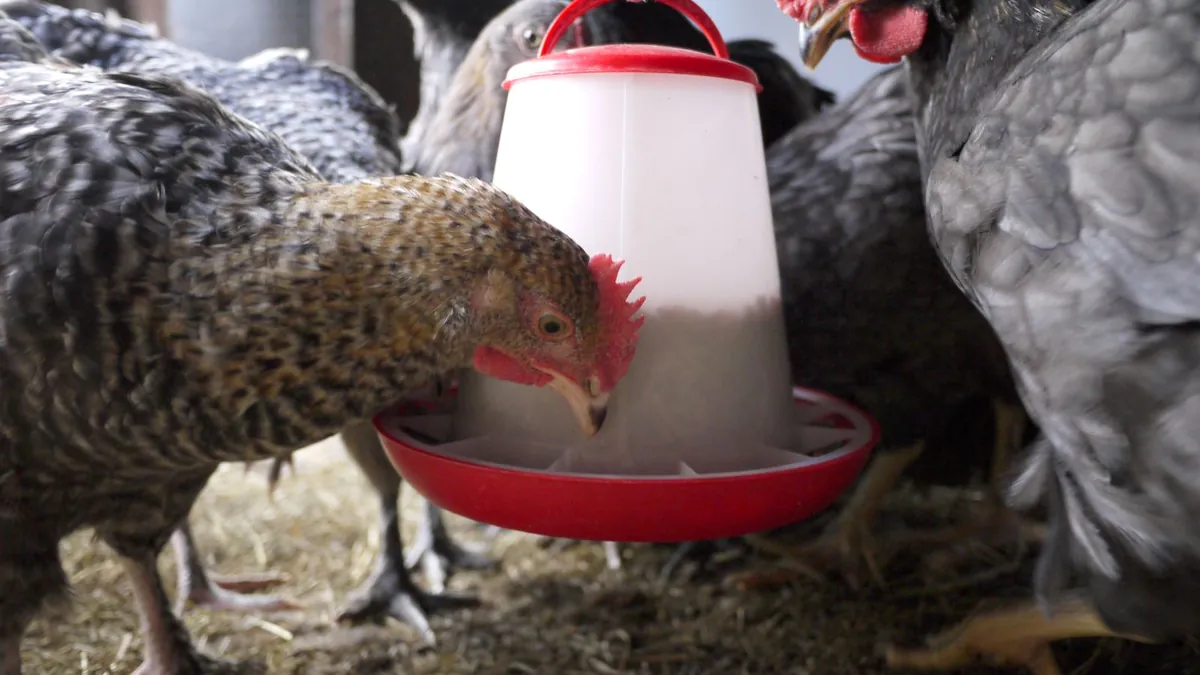
How much water does a flock drink?
Penn State Extension says to supply at least 5 gallons a day for every 100 birds, and Oregon State notes hens drink two to three times as much water by weight as they eat. In hot weather, intake rises. Using Oregon State's ratio and NC State's feed figure (about a third of a pound a day), a hen drinks roughly 11-16 fluid ounces, so plan about a gallon a day for every 8-10 hens, more in summer, with a backup source.
Penn State's 5 gallons per 100 birds is a minimum supply figure; the gallon-per-8-10-hens estimate is our calculation from Oregon State and NC State, rounded up for heat.
The best chicken waterers

Best overall
Omlet Insulated Chicken Waterer, 3 Gallon
Omlet's insulated waterer keeps water cooler in summer and slower to freeze in winter, and its cups keep bedding and droppings out of the water.
Why it made the list
- Insulated
- Cups keep water clean
What to watch
- Hens used to open founts may need time to learn the cups
Best large
FARM-TUFF 5-Gallon Hanging Waterer
Hanging the waterer at back height keeps hens from kicking shavings into it. Five gallons covers a mid-size flock for several days.
Why it made the list
- Large capacity
- Hangs clear of bedding
What to watch
- Heavy when full
Best galvanized
FARM-TUFF Galvanized Double-Wall Waterer, 5 Gallon
The classic galvanized fount. It works on a stand or with a heated base in winter.
Why it made the list
- Durable steel
- Works with heated bases
What to watch
- Do not add apple cider vinegar or acidic additives; they corrode galvanized steel
Best budget DIY
ZenxyHoC Automatic Waterer Cups, 6-Pack
Drill a food-safe bucket, fit the cups and you have a covered waterer with parts you can buy separately.
Why it made the list
- Simple DIY clean-water setup
What to watch
- DIY drilling
- Cups can freeze
Best for chicks
3/4-Gallon Plastic Chicken Waterer
A shallow, small fount is right for chicks in the brooder. Add marbles or pebbles to the trough for the first days so chicks cannot fall in.
Why it made the list
- Right size for brooders
What to watch
- Too small for adult flocks
Nipple waterers or cups?
Open founts get bedding, droppings and algae in them within a day. The two closed designs:
| Horizontal nipples | Automatic cups | |
|---|---|---|
| How hens drink | Peck a steel pin; water releases a drop at a time | Cup stays part-full; a float or trigger refills it |
| Learning | Needs showing; dip beaks, remove the old waterer for a day | Hens find a visible pool on their own |
| Cleanliness | Cleanest: nothing sits open | Cups collect a little dust; rinse weekly |
| Freezing | Freezes first; a heated bucket and nipples rated for it, or use cups with a heater | The pool freezes; heated versions exist |
| Hot weather | Hens cannot dip wattles to cool | Hens dip wattles, which RentACoop and others cite as a summer plus |
| Fits | Any bucket or tote with a drill | Any bucket, plus the Omlet and RentACoop waterers above |
A mixed setup is common: cups in the run for summer and a heated nipple bucket in the coop for winter. The RentACoop set in our brooder guide ships with both. For freezing weather see heated waterers.
Winter and summer
Winter: hens cannot break through ice. Illinois Extension recommends access to water at least every 10 hours and a heated base or bowl when it freezes. Minnesota Extension warns never to hang a heat lamp by its cord. See our best heated chicken waterers.
Summer: Penn State says heat stress starts above 80°F. Add a second water source in shade, and keep water cool.
For layer feed and feeders that cut waste, see the rest of our feed and water guides.
Frequently Asked Questions
How do I keep chicken water from freezing?
Use a heated base or heated waterer, or an insulated waterer in milder climates, and check it at least twice a day in hard freezes.
Nipples or cups?
Both keep water cleaner than open founts. Cups are easier for hens to learn; nipples freeze faster.
How often should I clean the waterer?
Rinse and refill daily and scrub weekly, more often in hot weather.
Sources
- Penn State Extension: Management Requirements for Laying Flocks
- Oregon State University Extension: PNW 477, Raising Chickens
- University of Illinois Extension: Winter Care for Backyard Chickens
- University of Minnesota Extension: Caring for Chickens in Cold Weather
- Penn State Extension: Hot Weather Management of Poultry
Ready to buy?
Browse current pricing, current models, and reader reviews on Amazon. Your clicks keep these guides free.
Shop Chicken Waterers on Amazon →