Chicken Coop Lights: How Much Light Hens Need in Winter, and How to Add It Safely
Hens stop laying when days get short, not when they get cold. A low-watt LED on a timer, adding light before dawn, keeps most flocks laying through winter. Here is the schedule Extension recommends and the gear that does it without a hot bulb in the coop.
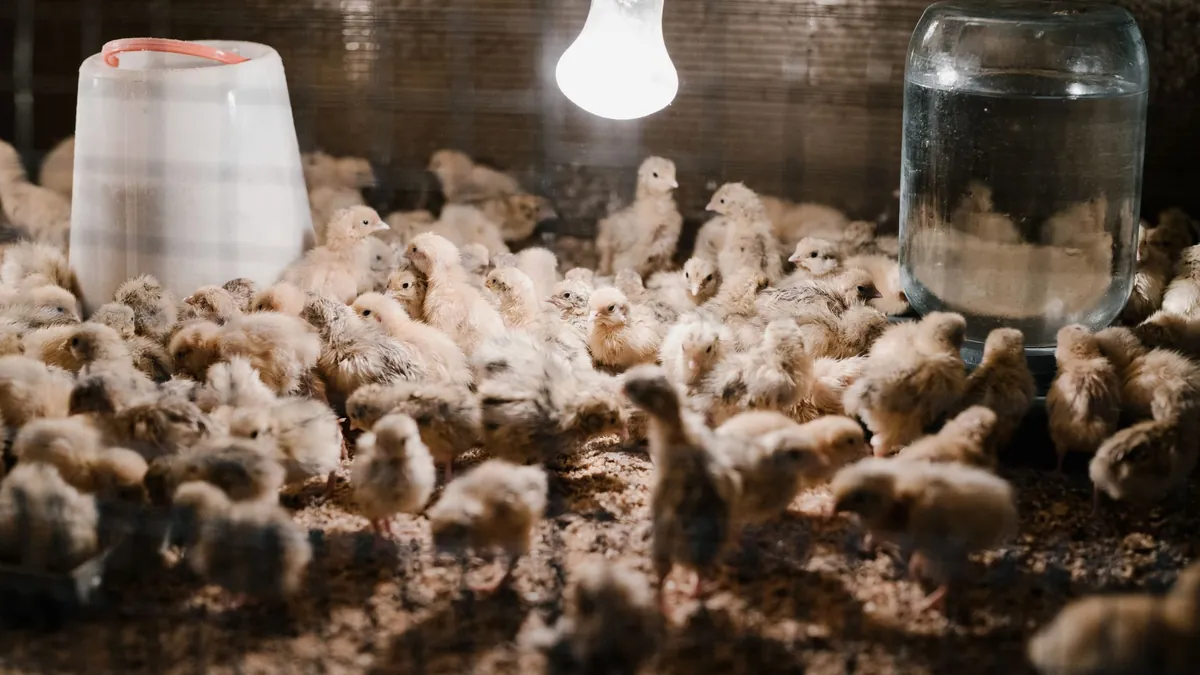
Why hens stop laying in winter
Day length, not temperature, runs a hen's laying cycle. Kentucky's poultry Extension program (hosted at poultry.extension.org) says a flock needs at least 14 hours of light a day to stay in lay, and that a decrease in daily light hours will typically put a flock out of production. UGA's backyard flock guide gives 14 to 16 hours and says house lights can make up the difference. Minnesota Extension puts the floor at 12 to 14 hours.
In most of the United States natural daylight drops under 12 hours from late October to mid February. A hen in her first winter often lays through it anyway; older hens slow or stop, and many also molt in fall, which halts laying on its own regardless of light.
Should you add light at all?
It is a choice, not a requirement. Reasons to leave the coop dark:
- Hens in molt are growing feathers, not eggs; light will not change that and the rest does them good.
- A natural winter pause is how a hen's body rests. Some keepers accept fewer eggs for it.
- Pullets under about 18 to 20 weeks should not be pushed into lay early. UGA notes day length influences when pullets start; let them reach laying age first.
Reasons to add it: a small flock kept for eggs where a winter of two eggs a week does not cover the feed bill. If you do add light, do it right, because getting it wrong is worse than leaving it dark.
How to light a coop
- Total 14 to 16 hours, and never less than yesterday. Kentucky's guidance is to increase gradually and hold at least 14 hours; UGA says 14 to 16. Start in early fall before days drop below 14 hours, or start in winter at the current day length and add about 30 minutes a week until you reach 14. Once set, do not let the total fall; a drop in hours is what shuts laying off.
- Add it in the morning. Kentucky's program suggests light before sunrise and, if needed, before sunset to reach the total. Morning light is the safe half: hens wake to light and go to roost at natural dusk. Light that cuts off suddenly after dark leaves hens on the floor in the black, unable to find the roost. If you must add evening light, use a fixture that dims down.
- Use a timer, every time. UGA says to use a timer; Kentucky's program suggests a timer and, better, a light sensor so the bulb is off when daylight is enough. Hand switching misses days, and missed days are decreases.
- Keep it dim and cool. Kentucky's guidance is that the light does not have to be bright; it names a 60 W incandescent as enough for a small flock, and Minnesota says a regular bulb is sufficient. A 7 to 9 W LED gives the same light with almost no heat. Enough to read a newspaper at roost height is plenty.
- Mount it where it cannot start a fire. Maryland Extension's winter sheet warns that even heat lamps can cause fires and asks for fixtures with automatic shutoffs. For light, the fix is simpler: a sealed LED fixture, not a bare bulb, screwed to the ceiling well above roosts and bedding, dust wiped off monthly. No clamp lamps, no extension cords across the litter.
The gear

Best coop light
AutoCoop LayLight2 Coop Light with Smart Timer
The LayLight2 is a small 18-LED fixture with the timer built into it, made by Incubator Warehouse for exactly this job. The maker says it lights coops up to 50 square feet, mounts with a few screws, plugs in and has a programmable schedule with a manual on/off override, so you can set a before-dawn start once and leave it. There is no dimmer, which is why we suggest running it in the morning only.
It covers the coops in our best chicken coops guide; a walk-in coop or a barn needs more than one, or a bigger fixture on the timer below.
Why it made the list
- Timer built in, one plug
- Low-watt LED, no heat
- Sized for backyard coops
What to watch
- No dimming, so morning use only
- Up to 50 sq ft; big coops need two
Best timer
BN-LINK Outdoor 7-Day Programmable Timer Outlet
If the coop already has a light fixture, or you want to use any sealed LED shop light, all you need is a timer. BN-LINK's outdoor timer has two grounded outlets under a weather cover, eight on/off programs, a daylight-saving button and an ETL listing at 15 A. Set one program for, say, 4:30 to 7:30 am and it runs every day. The second outlet is handy for a heated waterer if you want it on a schedule, though most keepers leave those on a thermostatic plug instead.
Why it made the list
- Weatherproof, ETL listed
- Eight programs, two outlets
- Works with any fixture
What to watch
- Mechanical dial timers are simpler if you only want one on/off
A sample schedule
| Month (mid-US) | Natural daylight | Light on | Total |
|---|---|---|---|
| October | About 11 h | 5:00 to 7:30 am | About 14 h |
| December | About 9.5 h | 3:30 to 7:30 am | About 14 h |
| February | About 10.5 h | 4:30 to 7:30 am | About 14 h |
| April on | 13 h and rising | Off once days pass 14 h | Natural |
Sunrise and day length vary with where you live; set the timer from your local times and change it monthly. Hens in the right layer feed with oyster shell on the side will use the extra hours; hens short on calcium will lay thin-shelled eggs however long the day.
Frequently Asked Questions
Do chickens need light in winter to lay eggs?
They need 14 to 16 hours of light a day to keep laying, per Kentucky and UGA Extension guidance (Minnesota says at least 12 to 14). Winter days fall short of that, so without added light most hens slow down or stop. Adding light is optional; many keepers let hens rest.
Should I add coop light in the morning or evening?
Morning. Hens go to roost at natural dusk; light that switches off suddenly after dark leaves them on the floor. If you need evening light to reach the total, use a fixture that dims gradually.
What kind of light bulb for a chicken coop?
A low-watt sealed LED is enough; Kentucky's Extension program says a 60 W incandescent is plenty for a small flock, and a 7 to 9 W LED gives the same light with no heat. Never use a heat lamp as the coop light.
Will adding light hurt my hens?
Not the light itself. The risks are a fire from a hot bulb near bedding, a sudden lights-out after dark and pushing pullets into lay before 18 to 20 weeks. Dim LED, timer, morning hours and laying-age hens avoid all three.
Does a red light work for a coop?
Red light is used in brooders to discourage pecking (Utah State Extension), but for laying it is the day length that counts. Any white light at reading brightness on a timer does the job.
Sources
- Poultry Extension (extension.org, University of Kentucky): Raising Chickens for Egg Production
- University of Georgia Extension: Circular 969, Management Guide for the Backyard Flock
- University of Minnesota Extension: Raising Chickens for Eggs
- University of Maryland Extension: FS-1133, Winter Weather and Small Flocks
- Utah State University Extension: Hatching and Caring for Chicks
Ready to buy?
Browse current pricing, current models, and reader reviews on Amazon. Your clicks keep these guides free.
Shop Coop Lights on Amazon →